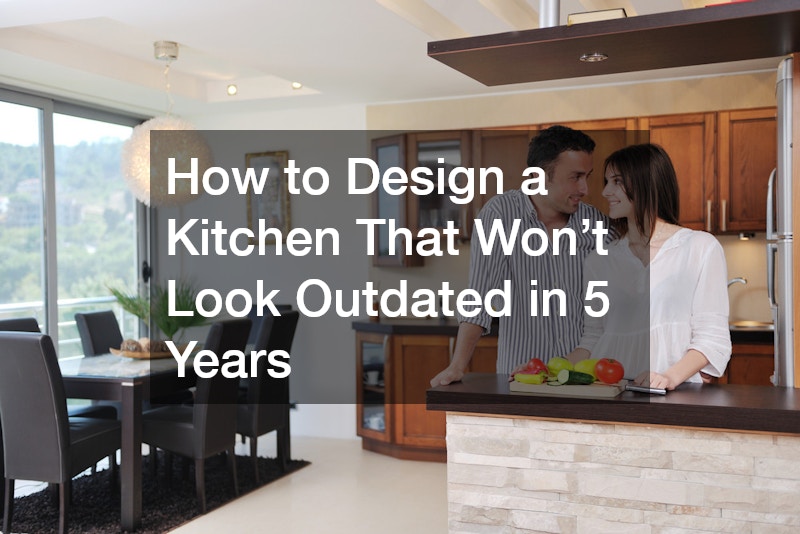
Designing a kitchen is one of the most significant investments a homeowner can make, both financially and emotionally. It is the undisputed heart of the home, a multi-functional hub where meals are prepared, conversations are shared, and daily life unfolds. Because of the sheer scale of the investment, the fear of creating a space that feels tired, dated, or out of touch within a few short years is a common and justified anxiety. The fast-moving nature of interior design trends, amplified by social media and home improvement television, means that what feels cutting-edge today can easily look like a relic of a specific era tomorrow.
Creating a timeless kitchen requires a deliberate shift in mindset. Instead of chasing transient aesthetic fads, you must focus on the core principles of architectural harmony, durable materials, ergonomic layout, and functional simplicity. A kitchen that stands the test of time does not rely on flashy gimmicks; rather, it achieves longevity through quiet quality, thoughtful proportion, and an adaptable foundation that allows your personal style to evolve without requiring a complete structural overhaul. By prioritizing classic design elements and understanding where to invest and where to save, you can build a space that remains fresh, elegant, and deeply functional for a decade or more.
Prioritizing Structural Flow and Architectural Alignment
Before you look at a single paint swatch or stone sample, you must analyze the architectural bones of your home. A timeless kitchen always looks like it belongs to the structure it inhabits. If you live in a historic Craftsman home, an ultra-minimalist, high-gloss Italian kitchen will likely feel disjointed and date itself quickly because it fights the surrounding architecture. Conversely, a heavily rustic farmhouse kitchen inside a sleek, contemporary high-rise can feel equally out of place. To achieve lasting appeal, look to the existing trim profiles, window styles, and ceiling heights of your home for cues.
Focus your initial planning on optimizing the physical layout, ensuring that the transition between the kitchen and adjacent rooms is seamless. This structural harmony provides an anchor, making the space feel deliberate and permanent. Furthermore, the longevity of your kitchen relies heavily on how well the structural layout accommodates future technological advancements and changing lifestyle needs without breaking visual alignment. When the floor plan is inherently logical, flexible, and honors the house’s architectural integrity, the entire home feels more cohesive, and the kitchen itself transcends temporary design movements.
Navigating the Planning Phase With Professional Consultation

Embarking on a major renovation requires a careful balance of aesthetic vision and technical expertise. While it is tempting to sketch out your own floor plans based on images you admire online, the realities of plumbing stacks, electrical codes, and structural load-bearing walls require a specialist’s eye. Engaging professional kitchen designers early in the process ensures that your creative ideas are grounded in structural reality and optimal ergonomics. These experts possess a deep understanding of spatial clearance, traditional work triangles, and modern zone planning, which categorizes the kitchen into distinct areas for preparation, cooking, cleaning, and storage.
By collaborating with a seasoned professional, you gain access to trade insights that prevent costly layout mistakes, such as doors that collide when opened simultaneously or inadequate counter space next to major appliances. Their guidance helps filter out fleeting industry trends in favor of enduring configurations that maximize both efficiency and resale value.
Selecting Enduring Elements for Your Major Renovation
When the time comes to execute a comprehensive kitchen update, the choices you make regarding your foundational elements will dictate how gracefully the room ages. A successful overhaul focuses budget and attention on the items that are incredibly disruptive or expensive to replace later. This includes flooring, wall configurations, and primary utility lines. Instead of selecting highly patterned tiles or experimental layout concepts that might lose their appeal in twenty-four months, opt for classic choices like wide-plank hardwood, neutral limestone, or understated porcelain.
By keeping the structural backdrop clean, simple, and elegant, you establish a resilient foundation. A truly timeless design anticipates the integration of changing utility needs without binding itself to a single, fleeting layout fad. This strategic approach ensures that if your tastes change in five or ten years, the core elements of the space remain perfectly viable, allowing you to refresh the overall look through minor decorative adjustments rather than another disruptive, full-scale demolition.
Choosing Grounded Surface Materials for Longevity

The surfaces in your kitchen endure the highest amount of daily wear and tear, making material selection critical for both durability and aesthetic longevity. When evaluating options for your countertops, it is highly beneficial to visit a dedicated countertop showroom to experience the materials in person. Seeing and touching full-size slabs provides a completely different perspective than looking at tiny two-inch samples. In this environment, you can evaluate the subtle veining of natural marble, the uniform consistency of premium quartz, and the organic warmth of quartzite under realistic lighting conditions.
For a look that defies aging, lean toward materials with quiet, understated patterns. Heavy, chaotic veining or highly saturated, unusual colors can quickly become associated with a specific design year, whereas a neutral palette with delicate, natural movement retains a sophisticated, timeless elegance that complements various design shifts over time.
Ensuring Flawless Execution of Heavy Work Surfaces
Selecting the perfect slab of stone or engineered quartz is only half the battle; the final presentation depends entirely on the precision of the craftsmanship during the final stages of your project. High-quality countertop installations are paramount because even the most expensive luxury material will look subpar if the seams are poorly matched, the edges are uneven, or the cutouts for appliances are misaligned.
Experienced fabricators take the time to map out the grain transitions across seams, ensuring a continuous, fluid look that enhances the room’s overall sense of luxury. Properly executed joints and perfectly polished edges not only elevate the visual appeal of the kitchen but also protect your investment from moisture infiltration and structural stress fractures, ensuring your workspace remains immaculate and structurally sound for decades to come.
Incorporating Robust Industrial-Grade Appliances

The appliances you select represent a massive portion of your kitchen budget and heavily influence the room’s functional capacity. To avoid a dated look, steer clear of appliances with highly experimental control panels, colorful enamel finishes, or overly futuristic shapes that may quickly lose support or look obsolete. Instead, look toward the reliability and clean aesthetics of commercial kitchen equipment for your inspiration.
True professional-grade appliances emphasize heavy-duty construction, intuitive mechanical knobs, and clean, geometric lines that prioritize function over fleeting stylistic trends. These robust machines are engineered to perform consistently under high-volume use and possess an industrial, utilitarian beauty that never goes out of style. Investing in high-performance cooking ranges, integrated refrigeration, and powerful ventilation systems ensures that your kitchen remains a highly capable culinary workspace that commands respect and admiration through changing design eras.
Designing a Reliable and Timeless Cleanup Station
The sink area is statistically the most frequented zone in the entire kitchen, making it a critical focal point for both practical utility and visual permanence. While trendy materials like fireclay, colored granite composites, or matte black vessels can look striking in design magazines, they are often susceptible to chipping, staining, or showing hard water deposits over years of rigorous use. For an enduring solution that maintains its pristine appearance, classic stainless steel sinks remain the gold standard for timeless kitchens.
This material is completely non-porous, highly resistant to heat and impact, and incredibly easy to sanitize. Its neutral, metallic luster reflects surrounding light and seamlessly coordinates with any faucet finish or countertop material you choose. Opting for an undermount configuration creates a clean, continuous line from the countertop into the basin, preventing dirt buildup and contributing to a sleek, unfussy aesthetic that always looks modern and hygienic.
Investing in Storage Solutions Built to Last

Cabinetry forms the visual backbone of your kitchen, occupying the vast majority of the vertical wall space and establishing the room’s overarching design language. To ensure your kitchen does not look dated in five years, avoid mass-produced, prefabricated cabinets that rely on cheap particle board construction or trendy, overly ornate door profiles. Investing in custom cabinets allows you to maximize every square inch of your specific floor plan while utilizing superior construction methods like dovetail joints, solid wood drawer boxes, and durable multi-step finishes.
For a timeless look, stick to classic door styles such as a simple Shaker profile or a clean, flat-panel slab door. These styles offer a balanced, geometric simplicity that adapts beautifully to both traditional and contemporary interiors, giving you a high-quality canvas that feels custom-tailored and permanently elegant.
Securing Professional Assembly for Your Storage Framework
Even the most meticulously crafted custom cabinetry can be ruined by improper setup and alignment. When it comes to the physical assembly phase, hiring experienced professionals to install kitchen cabinets is non-negotiable for a premium, long-lasting result. Leveling and securing heavy wooden boxes against potentially bowed walls and uneven floors requires specialized tools, shims, and a deep understanding of structural load distribution.
Professional installers ensure that all face frames are perfectly flush, that doors hang completely straight with consistent gaps, and that soft-close mechanisms operate flawlessly without rubbing. Furthermore, incorporating modular organizational systems within your drawers during assembly allows the internal storage to evolve. This precise alignment prevents premature wear on hinges and drawer glides, ensuring that your cabinetry’s function remains as smooth and quiet twenty years from now as it was on the very first day.
Transforming Surfaces With Expert Color Application
Color has an immense psychological impact on a room, and it is often the element most susceptible to rapidly changing trends. While the temptation to paint your cabinets a highly specific, trendy color can be strong, doing so frequently anchors your kitchen to the exact year it was renovated. To achieve a timeless aesthetic, it is wiser to choose a sophisticated, neutral palette for your permanent fixtures—such as soft whites, warm creams, muted greys, or rich earth tones.
When applying these finishes, employing skilled professional painters makes an extraordinary difference in the outcome. A factory-grade cabinet finish requires extensive preparation, specialized primers, and spray application techniques that cannot be replicated with a standard brush and roller. A flawless, professionally executed paint finish provides a smooth, durable surface that resists grease, moisture, and fingerprints, allowing your chosen classic hues to shine with a quiet, high-end understated elegance.
Crafting an Adaptable and Multi-Layered Atmosphere
The final layer that elevates a kitchen from a purely functional workspace to an inviting, sophisticated environment is the illumination scheme. A single, centralized light fixture in the middle of the ceiling is a surefire way to create harsh shadows and make a room feel dated and institutional. A timeless approach requires a multi-layered strategy that blends ambient, task, and accent illumination into a cohesive system. Designing custom lighting allows you to control the exact mood and functionality of the space throughout the day.
This involves integrating discrete LED strips under the upper cabinets to brightly illuminate food preparation surfaces, installing recessed architectural downlights on dimmers for general ambiance, and selecting elegant, sculptural pendant fixtures over the island to act as the room’s understated jewelry. By treating light as a critical architectural element rather than an afterthought, you can completely transform the perception of the space, making it feel larger, warmer, and permanently sophisticated regardless of changing design trends.
Creating a kitchen that maintains its beauty, relevance, and functionality five, ten, or even fifteen years into the future is entirely achievable when you anchor your decisions in quality, simplicity, and architectural authenticity. By resisting the allure of short-lived design fads and focusing your resources on exceptional craftsmanship, durable materials, and a balanced, neutral color palette, you build a space that feels grounded and permanent.
The true secret to a timeless kitchen lies in its ability to serve as an elegant, adaptable backdrop for your life. When the core structural elements, cabinetry lines, and surface selections are executed with precision and restraint, the room possesses an inherent sophistication that transcends the predictable cycle of trends. Ultimately, a well-designed kitchen does not shout for attention through flashy details; instead, it commands lasting appreciation through its effortless usability, enduring strength, and quiet, classic elegance.