When most homeowners imagine their dream kitchen, they focus on what they can see — sleek countertops, stylish backsplashes, and beautifully finished surfaces. While those visual elements certainly matter, they only represent part of the equation. The real success of a kitchen begins behind the walls, where critical systems like wiring, plumbing, and structural layout quietly determine how well the space functions every single day.
Ignoring these hidden components can lead to frustrating inefficiencies, unexpected repair costs, and limitations that impact how you use your kitchen. On the other hand, when these foundational elements are planned and executed correctly, everything else — from cabinetry to appliances — works seamlessly. A truly great kitchen is not just beautiful; it’s engineered for performance, safety, and longevity. This guide explores the often-overlooked factors that make that possible, helping you build a space that works as well as it looks.
Plan Layout Around Function Before Finishes
A successful kitchen starts with how it works, not how it looks. Before choosing colors, materials, or finishes, you need to think about movement, workflow, and daily habits. The layout determines how easily you can prepare meals, clean up, and interact with others in the space. Without a functional plan, even the most visually stunning kitchen can become frustrating to use.
One of the most important concepts to consider is how your key zones — prep, cooking, and cleaning — interact with each other. In many kitchen remodeling projects, homeowners underestimate how much time they spend moving between these areas. When distances are too far or pathways are blocked, simple tasks become inefficient. That’s why experienced professionals emphasize function first, ensuring that every step you take in your kitchen feels natural and intuitive. Well-planned kitchen remodels prioritize this flow, resulting in a space that supports your routine rather than working against it.
Before finalizing your layout, it’s helpful to evaluate how your household uses the kitchen daily. Think about who cooks, how often meals are prepared, and whether multiple people need to use the space at once. These considerations will guide decisions about spacing, appliance placement, and traffic flow.
- Keep the sink, stove, and refrigerator within a practical distance
- Allow enough clearance for cabinet doors and appliances to open fully
- Create dedicated zones for prep, cooking, and cleaning
- Ensure pathways remain unobstructed, even during busy times
Taking the time to plan your layout thoroughly will pay off in the long run. It ensures that every other design decision builds on a strong foundation, resulting in a kitchen that feels effortless to use.
Assess Electrical Capacity Before Adding Appliances
Modern kitchens demand more power than ever before. From high-performance ovens and induction cooktops to smart refrigerators and under-cabinet lighting, today’s appliances require a robust electrical system. Before adding new features, it’s essential to evaluate whether your current setup can handle the increased load.
Many older homes were not designed with these demands in mind, which can lead to overloaded circuits or inconsistent performance. Working with professionals who provide electrical services allows you to identify potential limitations and plan upgrades accordingly. In some cases, expanding your electrical panel or adding dedicated circuits may be necessary to support larger appliances.
If your home’s wiring is outdated, investing in rewiring services is often the best course of action. While it may not be the most visible upgrade, it is one of the most important. New wiring ensures your kitchen operates safely and efficiently, reducing the risk of electrical issues and improving overall reliability.
Proper electrical planning also gives you more flexibility in your design. With the right infrastructure in place, you can confidently incorporate modern conveniences without worrying about capacity limitations. This forward-thinking approach helps future-proof your kitchen and supports long-term functionality.
Inspect Plumbing Systems Before Closing Walls
Plumbing is one of the most critical systems hidden behind your kitchen walls, yet it’s often overlooked during the early stages of a project. Even if your existing system appears to be working, hidden issues like small leaks, corrosion, or outdated materials can lead to significant problems down the line. Addressing these concerns before construction begins is essential for avoiding costly repairs later.
Incorporating plumbing leak detection into your planning process allows you to identify vulnerabilities that might otherwise go unnoticed. This is particularly important in kitchen remodeling, where you may be relocating sinks, dishwashers, or refrigerators with water connections. Ensuring your plumbing system can support these changes is key to a successful renovation.
A thorough inspection also helps improve efficiency. Proper water pressure, effective drainage, and well-placed connections all contribute to a smoother, more enjoyable kitchen experience. By addressing these factors early, you can design a layout that works seamlessly without worrying about underlying issues.
Prioritize Storage Planning Early in the Process

Storage is one of the most important elements of a functional kitchen, yet it’s often treated as an afterthought. Without adequate storage, clutter can quickly take over, making your space feel disorganized and difficult to use. Planning your storage solutions early ensures that every item has a designated place, improving both efficiency and aesthetics.
High-quality kitchen cabinets play a central role in this process. Modern cabinetry offers a wide range of features, from pull-out shelves and deep drawers to specialized compartments for utensils and appliances. In well-executed kitchen remodels, storage is tailored to the homeowner’s specific needs, creating a system that supports daily routines.
To maximize your storage potential, it’s important to think strategically about how your kitchen is used. Grouping items by function and placing them near their point of use can significantly improve workflow and reduce unnecessary movement.
- Store cooking utensils near the stove
- Keep cleaning supplies close to the sink
- Use vertical space for less frequently used items
- Incorporate pull-out systems for easy access
By prioritizing storage from the beginning, you create a kitchen that feels organized and efficient. This not only enhances usability but also contributes to a cleaner, more polished appearance.
Choose Materials That Support Long-Term Performance
Material selection plays a major role in the durability and maintenance of your kitchen. While it’s tempting to focus on appearance alone, it’s equally important to consider how materials will perform over time. Kitchens are high-traffic environments, exposed to moisture, heat, and constant use, so choosing the right materials is essential.
Selecting the appropriate flooring is a key part of this process. Durable options like tile, engineered hardwood, or luxury vinyl can withstand daily wear while maintaining their appearance. These choices are especially important in kitchen remodeling, where long-term performance is a top priority.
When evaluating materials, it’s helpful to consider both practical and aesthetic factors. The right combination ensures your kitchen remains both functional and visually appealing for years to come.
- Choose materials that resist moisture and stains
- Prioritize easy-to-clean surfaces
- Consider slip resistance for safety
- Match materials to your overall design style
Investing in high-quality materials upfront reduces the need for frequent repairs or replacements. It also ensures your kitchen continues to look and perform at its best over time.
Coordinate With Experts for a Cohesive Plan
A successful kitchen transformation requires collaboration between multiple professionals. From designers to electricians and plumbers, each expert brings a unique perspective and skill set to the project. Coordinating these efforts ensures that every aspect of your kitchen works together seamlessly.
A residential designer can help translate your ideas into a cohesive plan that balances functionality and aesthetics. They often work closely with providers of electrical services to ensure that lighting, outlets, and appliances are integrated effectively into the design.
Clear communication is essential throughout this process. When all parties are aligned, potential issues can be addressed early, reducing delays and ensuring a smoother workflow. This collaborative approach not only improves efficiency but also leads to a better final result.
Upgrade Infrastructure Before Installing Finishes
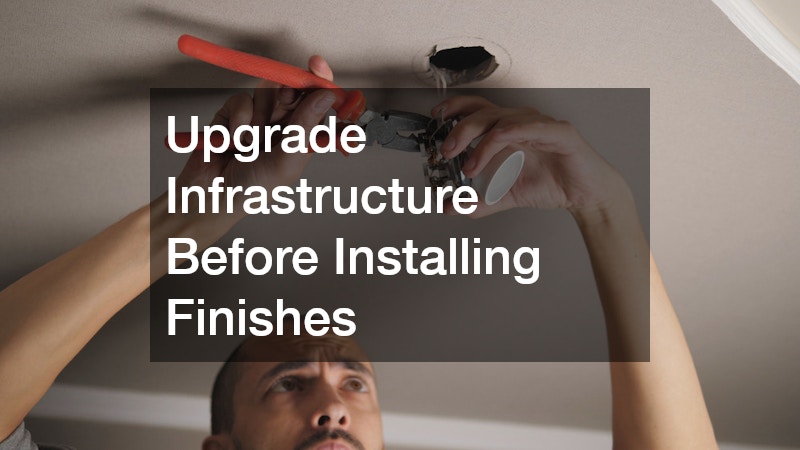
One of the most important steps in any kitchen project is completing all infrastructure work before installing visible elements. This includes electrical wiring, plumbing, and any structural changes. Skipping or rushing this stage can lead to costly rework and unnecessary delays.
Investing in rewiring services ensures your kitchen is equipped to handle modern electrical demands. This step is especially important in kitchen remodels, where new appliances and layouts often require updated systems.
By prioritizing infrastructure, you create a stable foundation for everything that follows. This approach not only improves functionality but also protects your investment by minimizing the risk of future issues.
Prevent Future Issues With Proactive Inspections
Preventative maintenance is key to avoiding costly problems in the future. Conducting thorough inspections before and during your project allows you to identify potential issues early and address them before they escalate.
Using plumbing leak detection can help uncover hidden leaks that might otherwise go unnoticed. This is particularly important for protecting your flooring, as water damage can lead to significant repairs and long-term complications.
Regular inspections provide peace of mind and ensure that your kitchen remains in top condition. By taking a proactive approach, you can enjoy your space without worrying about unexpected issues.
Design Seamless Transitions to Adjacent Spaces
Modern kitchens often connect directly to dining or living areas, making it important to create a seamless transition between spaces. A well-designed flow enhances both functionality and visual appeal, creating a cohesive environment throughout your home.
When planning these transitions, consider how elements like dining room furniture will interact with your kitchen layout. Incorporating these considerations into your kitchen remodeling plan ensures a unified look and feel. Thoughtful design choices, such as consistent materials and complementary color schemes, help tie everything together. This creates a space that feels open, inviting, and well-integrated.
Consider how people will move between the kitchen and dining area, especially during meals or gatherings. Clear pathways, adequate spacing, and logical placement of furniture can make a big difference in how comfortable and efficient the space feels.
It’s also important to align design elements so the transition doesn’t feel abrupt. Pay attention to details like color palettes, finishes, and materials. For example, if your kitchen features warm wood tones or matte black fixtures, echoing those elements in your dining area helps tie everything together. Lighting plays a major role as well — coordinating fixtures or using complementary styles can create a sense of continuity between the two spaces.
Functionality should guide your decisions just as much as aesthetics. Think about how often you entertain, how many people you typically seat, and whether you need flexibility for larger gatherings. Choosing furniture that fits the scale of your space prevents overcrowding and ensures smooth movement between areas. You might also consider multi-functional pieces, such as extendable tables or benches that can be tucked away when not in use.
Taking these factors into account during your kitchen remodeling process helps create a unified, well-balanced environment. Instead of feeling like two separate areas, your kitchen and dining space will work together as one cohesive, inviting setting that supports both everyday living and special occasions.
Build a Maintenance Plan Into Your Design Strategy
A great kitchen doesn’t stay that way without proper care. Building a maintenance plan into your design strategy ensures your space remains functional and visually appealing over time. Planning for maintenance from the beginning makes it easier to keep everything in good condition.
Caring for kitchen cabinets is an important part of this process, as they are one of the most frequently used elements in the kitchen. Regular cleaning and proper use help extend their lifespan. Maintaining the results of your kitchen remodels also involves periodic inspections and minor updates.
A simple maintenance routine can go a long way:
- Clean surfaces regularly to prevent buildup
- Inspect plumbing and electrical systems periodically
- Address small issues before they become major problems
- Schedule professional maintenance when needed
By staying consistent, you can protect your investment and ensure your kitchen continues to meet your needs. Great kitchen design begins long before the finishing touches are installed. By focusing on the systems and structure behind the walls, you create a space that is not only beautiful but also reliable, efficient, and built to last.
When you prioritize thoughtful planning, quality infrastructure, and ongoing care, your kitchen becomes more than just a place to cook — it becomes a space that truly supports your lifestyle for years to come.