Transforming Your Kitchen Into a More Functional Space
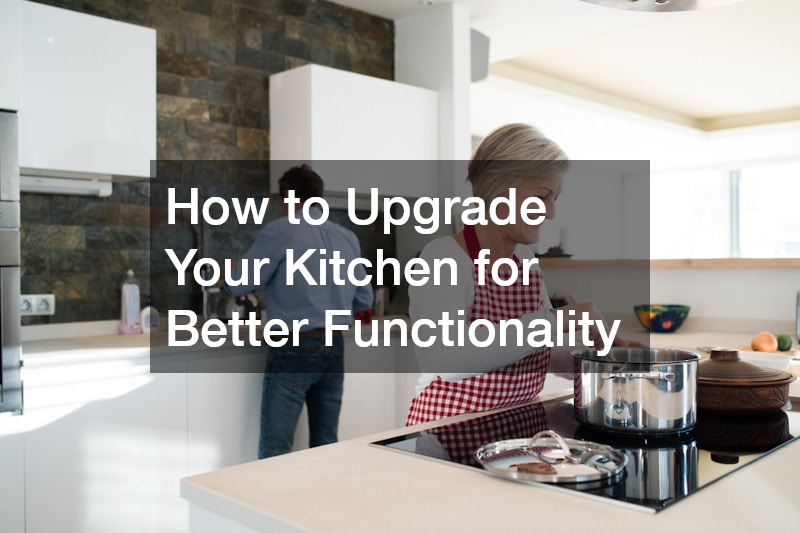
Upgrading your kitchen for better functionality is one of the most impactful improvements you can make in your home. A well-designed kitchen doesn’t just look good—it makes everyday tasks easier, more efficient, and more enjoyable. Whether you’re cooking meals, entertaining guests, or simply grabbing a quick snack, the layout, storage, and systems in your kitchen all play a role in how smoothly things operate.
Many homeowners struggle with cluttered counters, limited storage, poor lighting, or outdated systems that no longer meet their needs. The good news is that you don’t always need a full renovation to see meaningful improvements. Strategic upgrades—focused on usability, efficiency, and smart design—can dramatically transform how your kitchen works.
This guide will walk you through practical, actionable ways to upgrade your kitchen for better functionality. From improving layout and storage to updating essential systems, these tips will help you create a space that works for your lifestyle now and into the future.
Rethink Your Layout to Improve Everyday Workflow

The foundation of a functional kitchen begins with its layout. If your current space feels cramped, inefficient, or awkward to navigate, it may be time to rethink how everything is arranged. A well-planned layout ensures that your most frequently used areas—such as the sink, stove, and refrigerator—are positioned in a way that minimizes unnecessary movement. This concept, often referred to as the “work triangle,” is key to improving efficiency during meal preparation.
Start by evaluating how you currently use your kitchen. Are there bottlenecks where multiple people tend to gather? Do you find yourself walking back and forth unnecessarily while cooking? Identifying these pain points can help guide your redesign decisions. Even small adjustments, such as relocating an appliance or expanding counter space, can make a noticeable difference.
Working with a kitchen contractor can help you maximize your space while avoiding costly mistakes. Professionals can assess structural limitations, recommend layout improvements, and ensure everything meets building codes. Whether you’re working with a small kitchen or a large open-concept space, a thoughtful layout redesign sets the stage for every other upgrade you make.
Upgrade Storage to Eliminate Clutter and Save Time
Storage plays a major role in how functional your kitchen feels on a daily basis. If you’re constantly searching for items or struggling with overcrowded cabinets, it’s time to rethink your storage solutions. Modern kitchen cabinet designs go far beyond simple shelves, offering features like pull-out drawers, lazy Susans, built-in organizers, and soft-close mechanisms that make accessing items easier and more efficient.
Start by decluttering and assessing what you truly need to store. Group similar items together and identify areas where better organization could save time. For example, keeping cooking utensils near the stove or storing baking supplies in one designated area can streamline your workflow.
Maximizing vertical space is another key strategy. Tall cabinets, stacked shelving, and overhead storage can significantly increase capacity without expanding your kitchen’s footprint. You can also incorporate hidden storage solutions, such as toe-kick drawers or pull-out pantry units, to make the most of every inch.
Upgrading your storage isn’t just about aesthetics—it’s about creating a system that supports how you use your kitchen every day. When everything has a designated place, your space becomes more efficient, organized, and enjoyable to use.
Choose Surfaces That Combine Durability and Practicality
Your kitchen surfaces are among the most heavily used areas in your home, so choosing the right materials is essential for both functionality and longevity. A well-selected countertop not only enhances the look of your kitchen but also provides a durable workspace that can handle daily wear and tear.
Custom kitchen countertops are a great option if you want a surface tailored to your specific needs. Whether you prioritize heat resistance, scratch durability, or easy maintenance, custom solutions allow you to select materials and finishes that match your lifestyle. Popular options like quartz, granite, and solid surface materials offer a balance of strength and style.
When choosing a countertop, consider how you use your kitchen. If you cook frequently, you’ll need a surface that can withstand heavy use. If you prefer low maintenance, non-porous materials that resist staining may be the best choice. Additionally, think about edge profiles and thickness, as these details can impact both functionality and aesthetics.
Investing in high-quality surfaces ensures your kitchen remains practical and visually appealing for years to come. The right materials can make everyday tasks easier while reducing the need for frequent repairs or replacements.
Refresh Existing Features Instead of Full Replacement
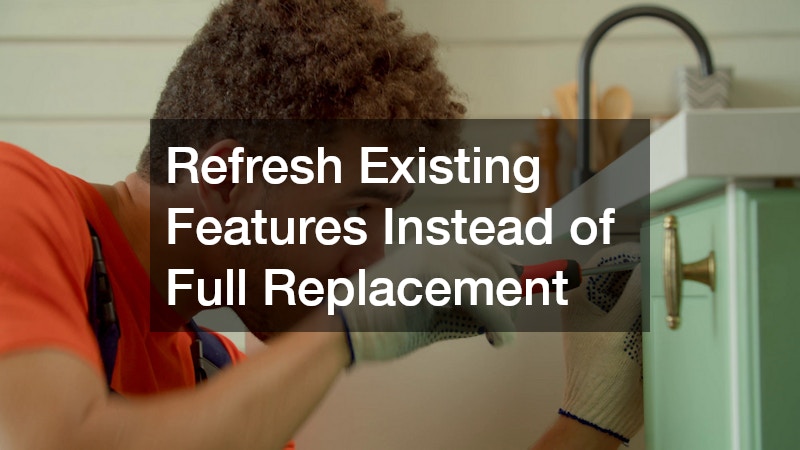
Not every kitchen upgrade requires a complete overhaul. In many cases, restoring existing features can provide a fresh, updated look without the cost and disruption of full replacement. Cabinets, in particular, are often good candidates for restoration if they are structurally sound but visually outdated.
Cabinet restoring services can include refinishing, repainting, or refacing existing cabinetry. These processes allow you to change the color, texture, or style of your cabinets while preserving the original framework. This approach is not only cost-effective but also more environmentally friendly, as it reduces waste.
Restoration can also improve functionality. Updating hardware, adding soft-close hinges, or incorporating new organizational features can make older cabinets feel modern and easier to use. These small changes can have a big impact on how your kitchen operates.
By focusing on restoration where possible, you can achieve a refreshed, functional space without committing to a full remodel. It’s a practical solution that balances aesthetics, efficiency, and budget considerations.
Enhance Lighting and Power Access for Better Usability
Lighting and electrical access are often overlooked, but they play a critical role in kitchen functionality. Poor lighting can make cooking more difficult and even unsafe, while limited outlets can restrict how you use appliances. Upgrading these elements can dramatically improve how your kitchen works.
Start by layering your lighting. Combine ambient lighting for overall illumination, task lighting for work areas, and accent lighting to highlight key features. Under-cabinet lighting is particularly useful for illuminating countertops, making food preparation easier and safer.
If your kitchen is older, you may need electrical rewiring to support modern appliances and increased power demands. Today’s kitchens often require more outlets and higher-capacity circuits to handle everything from microwaves to smart devices. Upgrading your electrical system ensures your kitchen can handle these demands safely.
Strategically placed outlets, USB ports, and dedicated circuits can also improve convenience. By investing in better lighting and electrical infrastructure, you create a kitchen that is not only more functional but also safer and more adaptable to modern living.
Upgrade Plumbing Systems for Better Performance
A functional kitchen relies heavily on reliable plumbing. If you’re dealing with low water pressure, frequent leaks, or outdated pipes, upgrading your plumbing system can significantly improve performance. These issues are especially common in older homes, where aging pipes may no longer meet current demands.
A repipe may be necessary if your plumbing system is deteriorating or causing recurring problems. Replacing old pipes with modern materials can improve water flow, reduce the risk of leaks, and ensure consistent performance. While this may seem like a major project, it can prevent costly damage and inconvenience in the long run.
Working with a qualified plumber is essential for any plumbing upgrade. Professionals can assess your system, recommend appropriate solutions, and ensure all work meets local codes. They can also help with smaller improvements, such as upgrading fixtures or installing more efficient components.
By addressing plumbing issues proactively, you create a more reliable and efficient kitchen environment. Improved water flow and dependable systems make everyday tasks easier and reduce the likelihood of unexpected disruptions.
Improve Cooking Efficiency With Proper Gas Line Upgrades

For homeowners who rely on gas appliances, ensuring your gas lines are properly installed and maintained is crucial for both performance and safety. Upgrading your kitchen to include gas-powered stoves or ovens often requires natural gas line installation, which must be handled by qualified professionals.
Gas appliances are popular for their precise temperature control and efficiency, making them a valuable addition to any functional kitchen. However, proper installation is essential to ensure safe operation. A professional can assess your home’s existing system and determine the best way to extend or upgrade gas lines.
If you already have gas lines in place, regular inspections and timely gas line repairs are important. Signs of issues may include unusual odors, hissing sounds, or inconsistent appliance performance. Addressing these problems promptly helps prevent safety hazards and ensures your kitchen operates reliably.
Investing in proper gas line upgrades not only enhances cooking performance but also provides peace of mind. A safe and efficient system allows you to focus on enjoying your kitchen without unnecessary concerns.
Incorporate Smart Features for Everyday Convenience
Technology can play a major role in improving kitchen functionality, especially when it’s used to simplify everyday routines and eliminate small frustrations. Smart appliances, touchless fixtures, and automated systems are becoming increasingly popular because they make daily tasks faster, easier, and more efficient. These upgrades don’t just add convenience—they also help reduce energy usage and improve how smoothly your kitchen operates.
For example, smart refrigerators can track expiration dates, suggest recipes based on available ingredients, and even allow you to view contents remotely from your phone while grocery shopping. Smart ovens and ranges let you preheat, adjust temperatures, or monitor cooking progress without being physically present, which is especially helpful during busy days. Touchless faucets improve hygiene and efficiency by allowing you to turn water on and off with a simple motion, reducing mess when your hands are full.
Lighting is another area where smart upgrades can make a noticeable difference. Motion-sensor lighting ensures your kitchen is always illuminated when you enter, while smart bulbs allow you to adjust brightness and color temperature depending on the time of day or activity. You can also install smart plugs or outlets to control small appliances more easily and safely.
The key is to start with features that solve your biggest challenges. You don’t need to automate everything at once—gradual upgrades allow you to build a system that fits your lifestyle. By integrating smart technology thoughtfully, you create a kitchen that feels more intuitive, efficient, and enjoyable to use every day.
Design for Comfort and Ease of Use
A truly functional kitchen is one that feels comfortable and easy to use. Ergonomics play a significant role in how efficiently you can move through your space. Simple adjustments, such as proper counter heights and well-placed appliances, can reduce strain and improve usability.
Consider how you interact with your kitchen on a daily basis. Are frequently used items within easy reach? Do you have enough space to move around comfortably? Addressing these factors can make a big difference in how your kitchen feels and functions.
Accessibility is another important consideration. Features like pull-out shelves, adjustable countertops, and wide walkways can make your kitchen more user-friendly for people of all ages and abilities. Designing with accessibility in mind ensures your kitchen remains functional for years to come.
By prioritizing comfort and ease of use, you create a space that supports your daily routine and enhances your overall experience.
Work With Skilled Professionals for a Seamless Upgrade
A successful kitchen upgrade often depends on the expertise of the professionals you work with. Coordinating different aspects of a remodel—such as layout changes, plumbing, and electrical work—requires careful planning and execution. Hiring experienced professionals helps ensure everything is done correctly and efficiently.
A skilled kitchen contractor can manage the overall project, coordinate timelines, and oversee the work of various specialists. This helps keep the project on track and reduces the risk of delays or mistakes. Similarly, working with a qualified plumber ensures that all plumbing installations and upgrades are completed safely and in compliance with local regulations.
Professional guidance can also help you make informed decisions about materials, design, and functionality. Their experience allows them to anticipate challenges and provide solutions that align with your goals.
By partnering with the right experts, you can achieve a smoother renovation process and a final result that meets your expectations.
Creating a Kitchen That Works for You Every Day
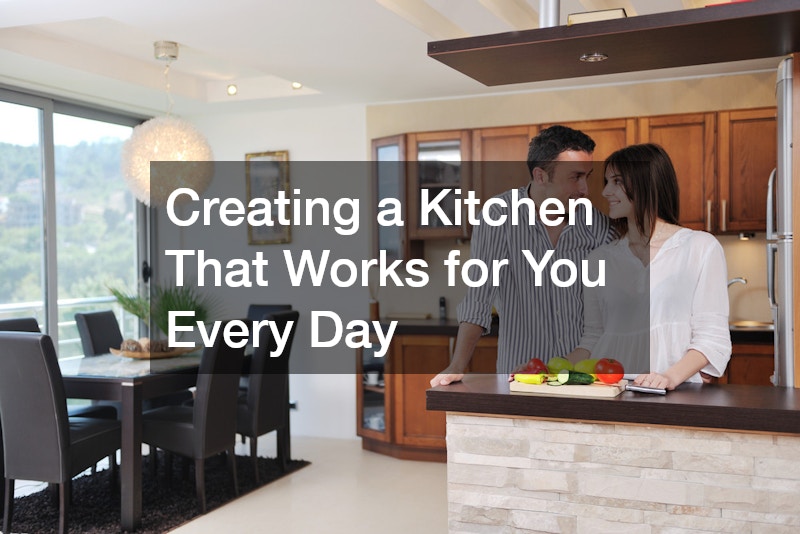
Upgrading your kitchen for better functionality is about more than aesthetics—it’s about creating a space that supports your daily life. By focusing on layout, storage, systems, and thoughtful design, you can transform your kitchen into a more efficient and enjoyable environment.
Every improvement, no matter how small, contributes to a better overall experience. With the right approach and careful planning, your kitchen can become a space that truly works for you.